English
 Español
 Portugues

-
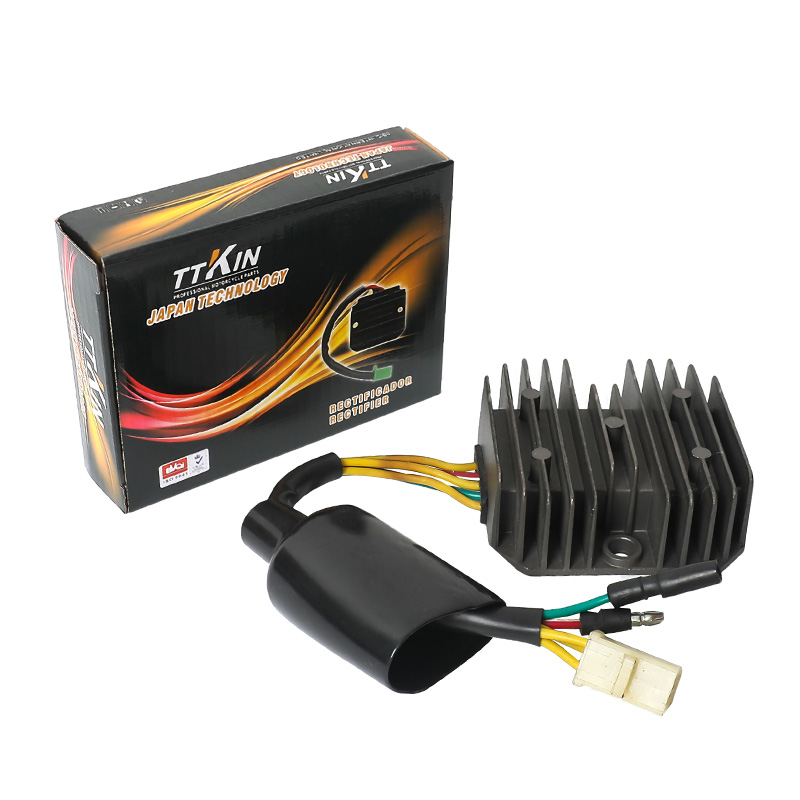
Question 1:What is a motorcycle regulator and what are its functions?
The motorcycle regulator, also known as a voltage regulator, is a crucial device that challenges the natural fluctuations in the electrical current generated by the motorcycle alternator. Its main function is to maintain a constant electrical voltage within the established limits, that is, to ensure that the electrical current flows in a controlled and stable manner to the various electrical components of the motorcycle.
Imagine the motorcycle regulator as a watchful guardian that ensures that the battery, lights, ignition system and other electrical devices receive the precise amount of electrical energy. If the voltage fluctuates too much, it can damage these components, affect engine performance, and ultimately lead to costly failures.
-
Question 2: What are the symptoms of a motorcycle regulator failure?
Identifying a fault in the motorcycle regulator is essential to prevent major problems in the motorcycle's electrical system. The symptoms of a faulty regulator can manifest themselves in various ways.A common indicator is irregularity in the lights, whether front or rear. Intermittently flashing lights may indicate poor electrical current regulation.
Another symptom to take into account is the malfunction of the direction indicators. If you notice that the indicators are not flashing correctly or are flashing irregularly, it could be a sign that the motorcycle regulator is experiencing problems. Additionally, difficulties starting the engine and a battery that is not charging properly are clear signs of a possible failure in this crucial component.
-
Question 3:How can we detect that the motorcycle regulator is about to fail and what are the signs prior to failure?
Before the motorcycle regulator reaches a state of complete failure, it often shows early signs that keen observers can notice. One of these signs is unexplained variation in the intensity of the lights. If your motorcycle lights seem to fluctuate in brightness for no apparent reason, it could be an indication that the regulator is struggling to maintain a constant current.
Another sign to look out for is any change in the speed of the electric radiator fan. The motorcycle regulator also controls this component, and variations in its operation can indicate impending problems. Additionally, an unusual increase in electrical system temperature could suggest that the regulator is experiencing difficulties.
Performing periodic voltage tests is a great way to detect potential problems before they become major failures. An unstable voltage during these tests can be a clear indicator that the motorcycle regulator is failing and should be addressed immediately.
-
Question 4:How often should we check the motorcycle regulator?
Regular inspection of the motorcycle regulator is essential to ensure optimal electrical performance and avoid costly problems. It is recommended that a detailed inspection be carried out at least every 6 months or, ideally, annually as part of regular motorcycle maintenance. This check may include visually inspecting the regulator for signs of physical damage, such as loose wires or corroded connections.
Additionally, if the motorcycle has experienced symptoms of electrical problems or modifications have been made to the electrical system, more frequent servicing should be considered. Prevention and early detection are key to avoiding costly component replacements and ensuring motorcycle reliability.
In short, the motorcycle regulator plays a vital role in maintaining a stable and efficient electrical system on your motorcycle. From ensuring proper battery charging to keeping lights and other electrical devices in perfect working order, this component often goes unnoticed but plays a crucial role in your driving experience.
Understanding the symptoms of a motorcycle regulator failure, detecting signs prior to a breakdown and performing periodic checks are essential steps to ensure that this component functions optimally. Investing time and attention into motorcycle regulator care can not only save you money on costly repairs, but it also helps keep your motorcycle on the road and ready for the next adventure.