English
 Español
 Portugues
Motorcycles are fascinating and versatile machines that appeal to a wide range of enthusiasts, from everyday riders to racing fans. Knowing the anatomy of a motorcycle is essential for its maintenance and safety. In this article, you'll dive into the world of motorcycles as we explore the fronts and rears of these iconic vehicles.
The Front of a Motorcycle
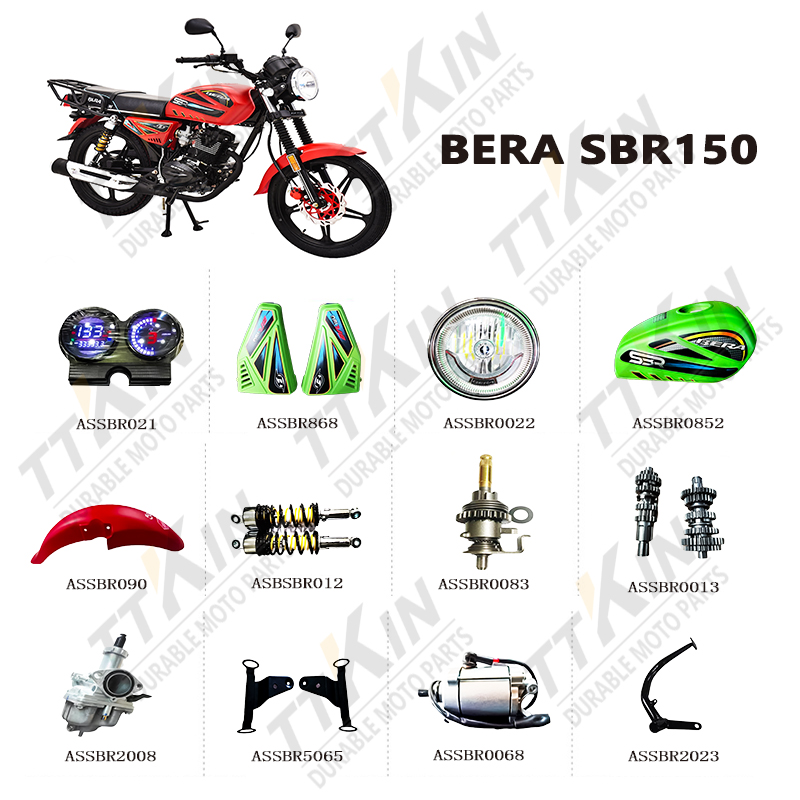
The front of a motorcycle is one of the most important areas, as it houses several components essential for the functionality and safety of the vehicle. Below we detail some of the key parts:
-
front fork: The front fork is the part that connects the front wheel to the motorcycle frame. It contains the shock absorbers and provides the suspension necessary to absorb shocks and maintain stability.
-
Handlebar: The handlebar is the part that the driver holds to direct the motorcycle. It may vary in shape and style depending on the motorcycle model.
-
front light: The headlight is the light that illuminates the road at night. It is a crucial component for security.
-
front fender: The front fender protects the driver and the motorcycle from splashes of water and dirt that can be thrown by the front wheel.
-
Front brake: The front brake is essential for stopping the motorcycle. It can be disc or drum, depending on the design of the motorcycle.
-
Front tire: The front tire is the one that comes into contact with the road and is essential for steering and braking.

The Rear of a Motorcycle
The rear of a motorcycle also houses critical components that contribute to the vehicle's performance and safety. Here are some of the key parts:
-
rear wheel: The rear wheel of the motorcycle is what propels the vehicle forward and provides traction in various conditions.
-
Rear shock absorbers: The rear shock absorbers, like the front ones, are responsible for absorbing impacts and maintaining the stability of the motorcycle.
-
Seat: The seat is the part where the driver and passenger sit. It may vary in design and comfort depending on the type of motorcycle.
-
Tailpipe: The exhaust tailpipe is the part through which the gases leave the engine. It can also contribute to the aesthetic appearance of the motorcycle.
-
Back brake: The rear brake is another fundamental component for the safety and stopping of the motorcycle.
-
Tail lights and turn signals: Tail lights and turn signals are essential for signaling and visibility on the road.
Knowing the front and rear parts of a motorcycle is essential for any motorcycle enthusiast. This understanding is not only useful for maintenance, but also contributes to safety on the road. As we delve deeper into the fascinating world of motorcycles, let's always remember to practice safe and responsible riding. We hope this article has helped you better understand the anatomy of motorcycles!