English
 Español
 Portugues
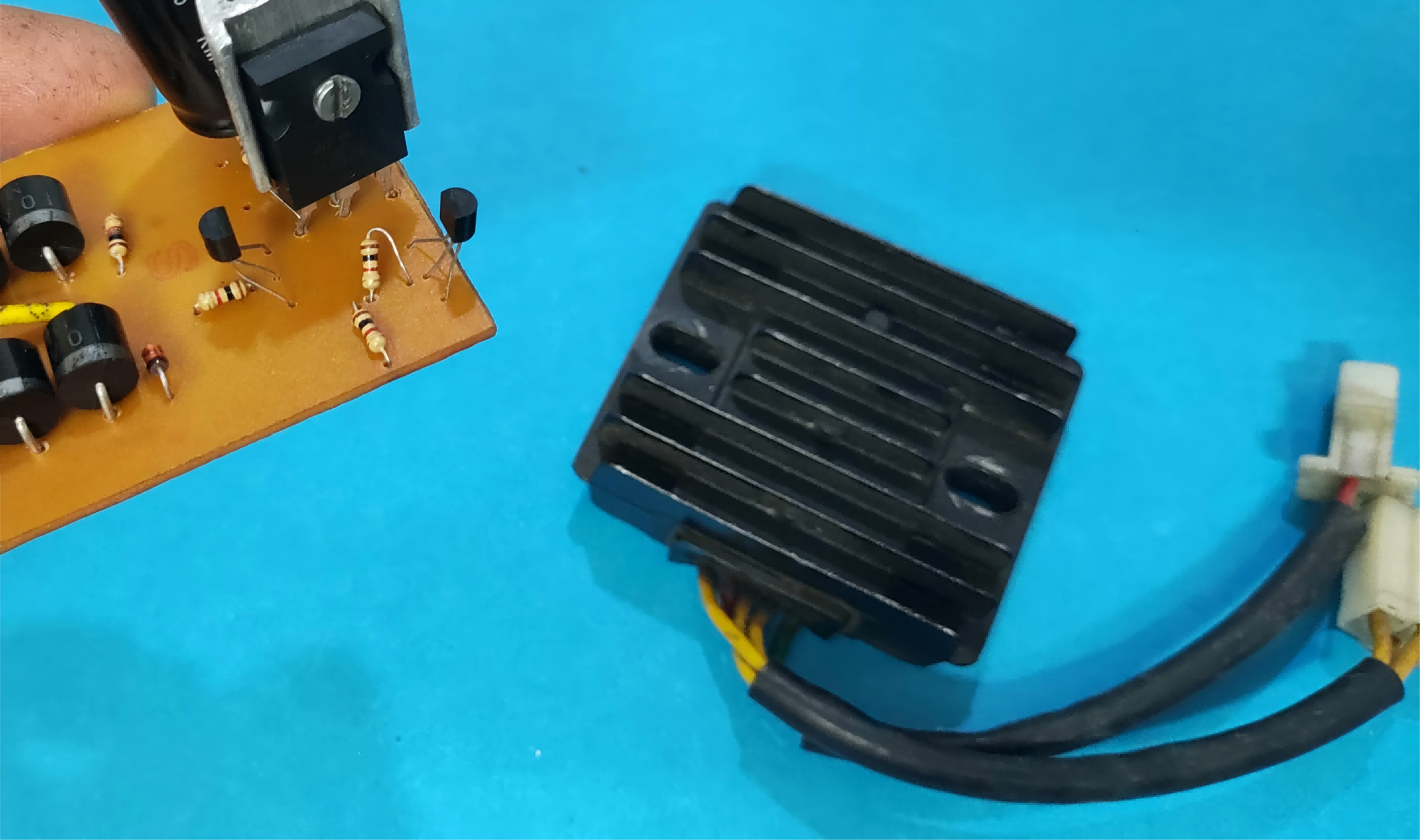
HeRegulatorVoltage on a Motorcycle: Its Importance
ANDThe voltage regulator, also known as a rectifier-regulator, performs a critical function. Its main task is to convert the alternating current generated by the motorcycle's alternator into direct current, in addition to regulating the voltage to avoid spikes that could damage electrical components.


How to know if theregulator of your motorcycleIs damaged
-
Dim Lights:If your motorcycle's lights are dim or flickering while riding, it could be a sign of voltage regulator problems.
-
Charging Issues:If the battery is not charging properly and you are having difficulty starting the bike, the regulator could be to blame.
-
Overheating:A faulty regulator can overheat. Touch with caution to check if it is abnormally hot.
-
Voltage Measurement:With a multimeter, you can measure the output voltage of the regulator. If it's inconsistent or too high/low, there's probably a problem.
Where is heVoltage Regulator on a Motorcycle
The voltage regulator is usually located near the battery or inside the fairing. The exact location may vary depending on the model of your motorcycle. Check your owner's manual or search online for specific location information on your motorcycle.
Voltage Regulator Maintenance and Replacement
-
Preventive Maintenance:Keep electrical connectors clean and check connections periodically to avoid problems.
-
Replacement:If you suspect the regulator is bad, it's important to replace it as soon as possible to prevent further damage to your bike's electrical system.
The voltage regulator is a crucial part for the electrical performance of your motorcycle. Learning to identify and address regulator issues will help keep your motorcycle in excellent electrical condition and ensure safe riding.