English
 Español
 Portugues
In the world of motorcycles, the options are numerous and varied. Two popular Italika models, the Italika 150 and the DM 200, often raise questions among two-wheeled enthusiasts. In this article, we will explore the differences between these two models and their respective applications, as well as the differences between cylinders and complete cylinders, and how to maintain and care for complete cylinders.
Differences between Italika 150 and DM 200
Italika 150:
-
The Italika 150 is a 150cc motorcycle that has been appreciated for its compact size and efficiency.
-
It is an ideal motorcycle for urban trips and short distances. Its smaller size and lightness makes it maneuverable in city traffic.
-
The Italika 150 is perfect for those looking for an economical and practical option to get around the city.
Italika DM 200:
-
The DM 200 is a 200cc motorcycle that offers superior performance compared to the Italika 150.
-
It is more powerful and suitable for long-distance and highway travel. Its larger displacement makes it more suitable for driving at higher speeds and varied terrain.
-
The DM 200 is an excellent choice for those looking for a balance between power and versatility.
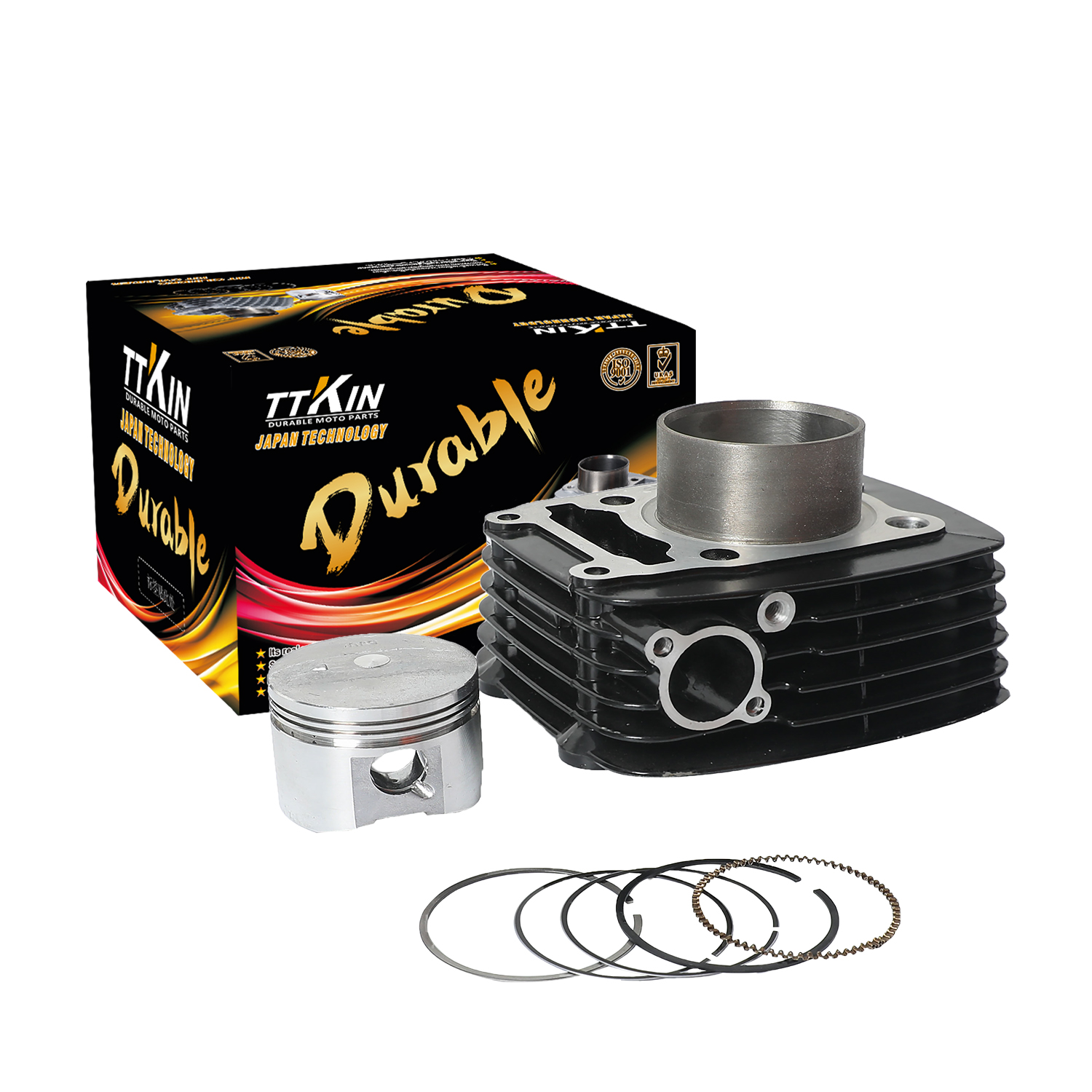
The relationship between displacement and cylinder(What is the difference between Italika 150 cylinder and DM 200 cylinder?)
Displacement (usually measured in cubic centimeters, cc) affects cylinder design and performance. Displacement is a key engine parameter that represents the total volume of air and fuel that each piston can expel in one complete cycle. The larger the displacement, the more powerful the engine is generally, which directly affects the operation of the cylinder.


The effects of displacement on the cylinder are described below:
Cylinder size and shape:Larger displacement engines typically require larger cylinders, which means larger physical dimensions. The dimensions and shape of the cylinder significantly influence the combustion process and performance.
Cylinder wall thickness:Engines with larger displacement generally require cylinders with thicker walls to withstand higher pressures and temperatures. This may require different materials or designs to ensure durability.
Cylinder head design:Larger displacement engines often need larger cylinder heads to accommodate a greater number of valves and fuel injectors. Cylinder head design also influences internal combustion efficiency.
Performance:Larger displacement engines typically offer more power and torque, which means the cylinder must deal with higher pressures and temperatures. Therefore, the cylinder design must be stronger and more efficient.
Combustion efficiency:Larger displacement engines often have higher combustion efficiency, requiring the cylinder to provide better gas flow and more precise combustion control.
In summary, displacement is a determining factor in cylinder design and performance. Engines with different displacements require cylinders with specific designs to meet their performance and efficiency needs. Therefore, when choosing a cylinder or cylinder assembly, it is essential to consider the engine displacement to ensure it is suitable for your requirements.
When to choose between cylinder and full cylinder
Choosing between a single cylinder and a full cylinder depends on the condition of your engine and your needs:
-
If the cylinder is slightly worn and can be refaced without problems, opting for this option is usually more economical.
-
If the cylinder is severely damaged, scratched or has problems that cannot be solved by grinding, it is advisable to choose a complete cylinder.
It is important to consult an experienced mechanic to make the right decision.
Maintenance and care of complete cylinders
To keep a complete cylinder in good condition, it is essential to follow these tips:
-
Perform periodic oil changes according to the manufacturer's manual.
-
Avoid overheating the engine and make sure the cooling system is working properly.
-
Regularly clean and lubricate the air filter.
-
Check cylinder compression and make adjustment if necessary.
-
Inspect and adjust spark plugs regularly.
Proper maintenance ensures optimal performance and longer life of your complete cylinder.
In short, the choice between the Italika 150 and the DM 200 depends on your driving needs, and the choice between a single cylinder and a full cylinder depends on the condition of your engine. Maintaining and caring for your complete cylinder is essential to ensuring reliable performance of your motorcycle over time.
We hope this information has been useful to you when making decisions about your motorcycle. Happy traveling on two wheels!